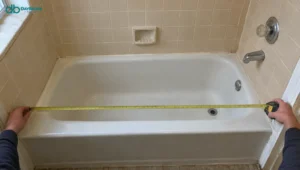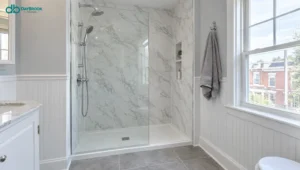

Let’s be honest about that old bathtub. It’s likely taking up half your bathroom floor, and you haven’t actually sat in it for a soak since 2012. For most of us, a bathtub is just a high-walled hurdle we have to climb over every morning while we’re half-asleep. It’s a trip hazard, a space-hog, and usually looks like a relic from a different decade.
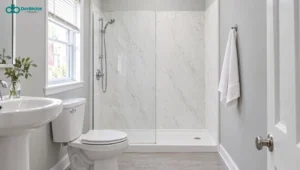
As we head into 2026, the trend is clear. Homeowners are ditching the unused tub in favor of sleek, open, and functional walk-in showers. This isn’t just about looking fancy. It’s about making your daily routine easier. Whether you have a tiny guest bath or a massive master suite, switching to a shower can make the room feel twice as large.
This guide covers the best one-day tub-to-shower conversion ideas to help you reclaim your space. We will look at layouts, materials, and the technical bits you need to know before the sledgehammer hits the tile.
Why You Should Finally Ditch the Tub
Most people hold onto a tub because they think it helps with resale value. While having at least one tub in the house is smart, you don’t need one in every bathroom. Buyers today want a spa-like experience in the master bath. They want a place where they can wash off the day without feeling cramped.
Safety is another big factor. Stepping over a 15-inch porcelain wall with wet feet is a recipe for a bad fall. A walk-in shower removes that barrier. It makes the room safer for kids, seniors, and everyone in between. Plus, showers are much easier to clean. You won’t have to break your back, scrubbing a deep basin anymore.
1. The Zero-Threshold Entry (The Seamless Look)

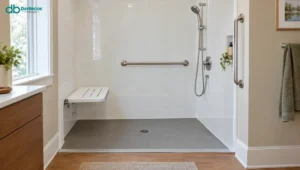
The zero-threshold entry is the gold standard for modern bathroom design. In this setup, the bathroom floor continues straight into the shower without a curb or step. It looks incredible because it creates one long, unbroken line.
This is the best tub-to-shower conversion for anyone planning to stay in their home long-term. It is completely accessible. To make this work, your contractor usually has to “drop” the floor joists or use a specialized sloped tray. It takes a bit more work upfront, but the result is a bathroom that looks massive and feels high-end.
2. Industrial Black Grid Glass

If you want to move away from the “boring” look of clear glass, try industrial black frames. These look like old factory windows. They add a punch of contrast to a white or gray bathroom.
In small bathroom tubs to shower conversion ideas, these grids are a secret weapon. The vertical lines of the black frame draw your eyes up to the ceiling. This makes a cramped room feel taller. It’s a bold choice, but it’s one that won’t go out of style anytime soon.
3. The "Wet Room" Layout

For those with a bit more space, the wet room is a fantastic option. In a wet room, the entire bathroom floor is waterproof and tiled. There is no traditional shower pan.
The shower is usually separated by a single pane of glass. This allows the vanity and the shower to share the same visual space. It is incredibly easy to clean because you can practically hose down the whole room. (I’m only half-joking about the hose, but it really is that simple.)
4. Built-in Benches and Quartz Ledges

One thing you lose when you ditch the tub is a place to sit. You can fix this by adding a built-in bench. A floating quartz bench is a great choice because it doesn’t have “legs” that clutter to the floor.
When you look at the bath to shower conversion ideas, don’t forget about storage. Instead of those plastic hanging caddies, go for recessed wall niches. If you have the room, a full-length “shaving ledge” along one wall is a gamechanger for daily convenience.
5. Vertical Stacked Tile

Subway tile is cheap and looks great, but the classic brick pattern can feel a bit tired. To refresh the look, stack the tiles vertically.
This is one of those simple bathroom tub-to-shower conversion ideas that make a huge impact. Vertical tiles make the ceiling feel like miles high. It’s a clean, modern look that works well in both small and large spaces. Plus, it’s much more interesting to look at while you’re washing your hair.
6. The Rainfall Oasis with Dual Heads

If you have a standard 60-inch tub space, you have enough room for two shower heads. Why settle for one?
Install a ceiling-mounted rainfall head for that “spa” feeling. Then, add a standard handheld sprayer to the wall. The handheld is essential for two things: cleaning the shower walls and washing the dog. Don’t skip it. Having two water sources makes the shower feel like a luxury destination rather than just a utility closet.
7. The Pony Wall for Privacy

Not everyone wants to be on full display behind a glass door. A pony wall (a half-wall) is the perfect compromise.
The bottom half of the wall is solid and tiled, which hides the “clutter” of shampoo bottles and the shower floor. The top half is clear glass. This keeps the room feeling open and allows natural light to reach the shower. It’s a very practical choice for busy households where someone might be brushing their teeth while someone else is in the shower.
8. Teak Wood Floor Inserts

Tiles can be cold. If you want a warmer, more organic feel, look into the teak floor inserts. These are slatted wood panels that sit right on top of the shower floor.
Water drains through the slats, and the wood feels amazing underfoot. It’s an easy way to add a “zen” vibe to a bathroom tub-to-shower conversion. Teak is naturally water-resistant, so it won’t rot or mold if you take care of it.
9. Neo-Angle Corner Showers

If you are working with a truly tiny space, a standard rectangular shower might be too big. A neo-angle shower has a clipped corner, which gives you more floor space in the rest of the bathroom.
This is a top pick for small bathroom tub to shower conversion ideas. It opens up the “walking path,” so you aren’t bumping your elbows on the vanity or the toilet. It’s all about maximizing every square inch.
10. Smart Digital Shower Valves
In 2026, we shouldn’t be fumbling with hot and cold knobs like it’s the 1950s. Digital valves allow you to set the exact temperature you want.
You can even start the shower from an app on your phone. Imagine lying in bed, hitting a button, and getting a notification when the water is exactly 103 degrees. It sounds overkill until you actually try it. Once you go digital, you’ll never want to go back to manual handles.
Comparing Small vs. Large Bathroom Conversions
Feature | Small Bathroom Goals | Large Bathroom Goals |
Visual Strategy | Use glass to “hide” the shower boundaries. | Create a focal point with bold tile or stone. |
Door Style | Sliding glass or bypass doors saves space. | Hinged pivot doors feel more substantial. |
Storage | Deep, vertical niches to save floor space. | Full-length benches and multiple ledges. |
Drain Type | Traditional center drains are usually easiest. | Linear trench drains for a modern, sleek look. |
The Technical Reality: Drains and Pipes
This is the part that isn’t very “pretty,” but it’s the most important. You can’t just pull out a tub and put a shower in its place without looking at the plumbing.
Most bathtubs use a 1.5-inch drainpipe. However, most modern showers require a 2-inch pipe to handle the water flow. If you don’t upgrade the pipe, your shower might feel like a shallow pool within five minutes. (And nobody wants to stand three inches of soapy water.)
When you convert a tub to a walk-in shower, make sure your contractor checks the “P-trap” and the venting. If the venting is wrong, the drain will gurgle and smell. It’s worth spending the extra money to get the plumbing right the first time.
Waterproofing: The "Behind the Scenes" Hero
Water is the bathroom’s worst enemy. If you don’t waterproof correctly, you’ll be dealing with rot and mold in three years.
Old-school contractors used to just put tile over the “green board” drywall. Please don’t let anyone do that in your house. Use a modern waterproofing system like Schluter-Kerdi or Wedi. These are waterproof membranes that create a sealed box behind your tile. It’s like putting your shower inside a giant plastic container. It’s bulletproofed and gives you peace of mind.
Choosing the Right Tile (And Why Grout Matters)
Large-format tiles are your best friend. Why? Because fewer tiles mean fewer grout lines.
Grout is the part of the shower that gets dirty and grows mildew. By using 12×24 or 24×48 inch tiles, you reduce the “scrubbing zones” significantly. For the shower floor, you’ll need smaller tiles or mosaics to provide grip and to help the floor slope toward the drain.
I always recommend epoxy grouts. It’s more expensive and harder to install, but it’s practically stain-proof. You won’t have to spend your Saturday morning with a toothbrush and bleach. (And really, who wants to do that?)
Lighting and Airflow
Showers are often tucked into dark corners. When you remove a tub, you often realize how dim that spot actually was.
Add a dedicated waterproof LED light in the shower ceiling. It makes a huge difference in how space feels. Also, check out your exhaust fan. If it’s loud or weak, replace it. A good fan pulls the moisture out of the air so your mirrors don’t fog up and your paint doesn’t peel.
Budgeting: Where to Splurge and Where to Save
A tub conversion to a walk-in shower can cost anywhere from $6,000 to $20,000. Here is how to manage that money:
- Save on: The wall tile. You can get beautiful porcelain tile for a few dollars square feet. It looks just like marble but is way easier to maintain.
- Splurge on: The shower door. Thin, flimsy glass doors feel cheap. Go for 10mm or 12mm thick tempered glass. It feels solid and makes the whole room feel like a hotel suite.
- Save on: The vanity. If your current vanity is in good shape, keep it. Painting it and adding new handles can save you $1,000.
- Splurge on: The fixtures. Cheap faucets have plastic parts inside that will leak in a year. Buy name brand brass fixtures.
For homeowners in the Maryland area looking for a fast, professional transition, exploring one-day shower remodeling in Baltimore can provide a high-quality result without the weeks of construction dust usually associated with a full demo.

Designing for "Future You"
Think about how you’ll use this shower in ten or twenty years. This is called “Universal Design.”
Even if you don’t need them now, have your contractor installed “blocking” behind the walls. These are just 2×4 wood supports between the studs. This way, if you ever need to add grab bars later, you can screw them right into the wall without tearing the tile out.
Modern grab bars actually look cool now. Some double as towel racks or soap dishes. You can have a safe bathroom without it looking like a hospital room. (Your future self will thank you for this.)
The "Squeegee Life"
One quick side note: if you get a glass door, buy a squeegee. It takes thirty seconds to wipe down the glass after you shower. It prevents hard water spots and keeps the glass looking brand new. If you hate the idea of a squeegee, look into “frosted” or “rain” glass patterns. They hide the spots much better than clear glass.
Final Summary of Steps
- Demo: Rip out the old tub and see what’s behind the walls. (Be prepared for some “surprises.”)
- Plumbing: Upgrade the drain to 2 inches and move the valves if needed.
- Waterproofing: Apply the membrane or backer board. Don’t skip this.
- The Pan: Build the sloped floor, so water actually goes into the drain.
- Tiling: Start from the bottom and work your way up.
- Grouting: Use high-quality, stain-resistant grouts.
- Glass: Measure the door after the tile is installed to ensure a perfect fit.
Transform Your Bathroom with DayBrook Homes
Converting a tub to a shower is a big job. It involves plumbing, framing, and detailed tile work. Doing it wrong can lead to leaks that damage your home’s structure. At DayBrook Homes, we’ve handled hundreds of these conversions. We know the pitfalls and how to avoid them. Whether you want a simple guest bath update or a massive luxury shower with all the bells and whistles, we can help you get it done right.
Ready to get rid of that old tub? Visit us to schedule a consultation. Let’s build a shower you actually enjoy using every day.
Wrapping It Up
A shower replacement for a tub project is one of the best investments you can make in your home. It fixes the flow of the room, makes it safer, and adds a modern touch that buyers love.
Stop thinking of your bathroom as a utility room and start thinking of it as a retreat. Whether you go for the industrial black glass or a zero-threshold wet room, the goal is the same: a space that works for your life. Don’t let a clunky old tub hold your bathroom back any longer. Start planning your conversion today and see how much better your mornings can be.
Frequently Asked Questions
Is a tub-to-shower conversion a good investment?
Yes. Most buyers today prefer a large, walk-in shower over a cramped tub-shower combo, especially in the master suite. It modernizes the home and improves daily functionality.
How much does the best tub-to-shower conversion cost?
Costs usually land between $6,000 and $15,000. The final price depends on whether you move plumbing lines or choose high-end materials like natural stone or custom glass.
Will removing my only tub hurt my home’s resale value?
It might. Most real estate experts suggest keeping at least one bathtub in the house for families with small children. If you have another tub elsewhere, go ahead and convert.
What is the biggest challenge when you convert a tub to a walk-in shower for idea?
The drain is the main hurdle. Tubs usually have a 1.5-inch drain, but showers often need a 2-inch pipe to meet code and handle the water flow without backing up.
How long does a bath-to-shower conversion take?
A typical project takes about five to seven days. However, some companies offer specialized “one-day” services if the footprint of the bathroom stays exactly the same.