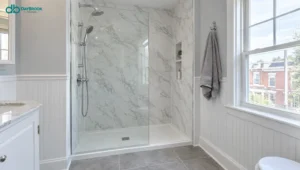
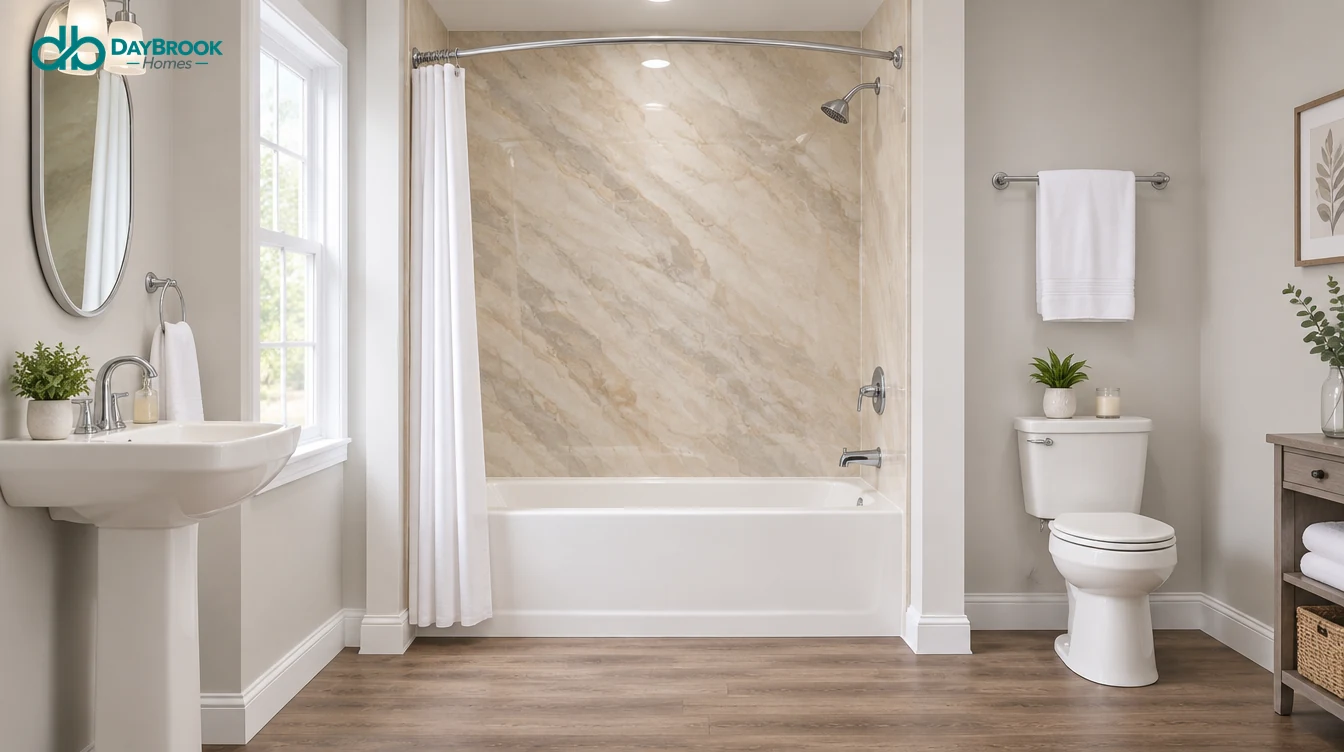
The tub is the thing people put off. A vanity swap is a weekend. A toilet is an afternoon. But the tub sits in an alcove with plumbing behind it and a wall of something around it, and every quote seems to describe a different job at a different price — so the whole project stalls for another year while the caulk line gets darker.
Here is what makes it simpler. There is no single job called “bathtub remodeling.” There are three, they cost very different amounts, and choosing the wrong one is where the money goes.
The three things people mean by “bathtub remodeling”
When someone calls us about their tub, they almost always want one of these:
- Replace it. The old tub and the old walls come out. A new tub and a new wall system go in. Same footprint, same plumbing location, brand-new everything you touch.
- Convert it. The tub comes out for good and a walk-in shower goes into the same alcove. Nothing else in the room moves.
- Resurface it. The old tub stays and gets a coating or a liner over the top of it.
The first two are real remodels. The third is a patch, and we will get to why we do not sell it.
Start here: who actually uses this tub?
Not what you want the room to look like. Who gets in it, and how often.
If somebody in the house takes baths — small kids, someone with a bad back who soaks, a dog that gets washed indoors — you keep a tub. If the honest answer is that nobody has filled it since 2019 and one person steps over a 15-inch wall every morning to take a shower, you are maintaining a bathing fixture that has become an obstacle.
That question decides more than any design choice. Answer it first and the rest of the project mostly answers itself.
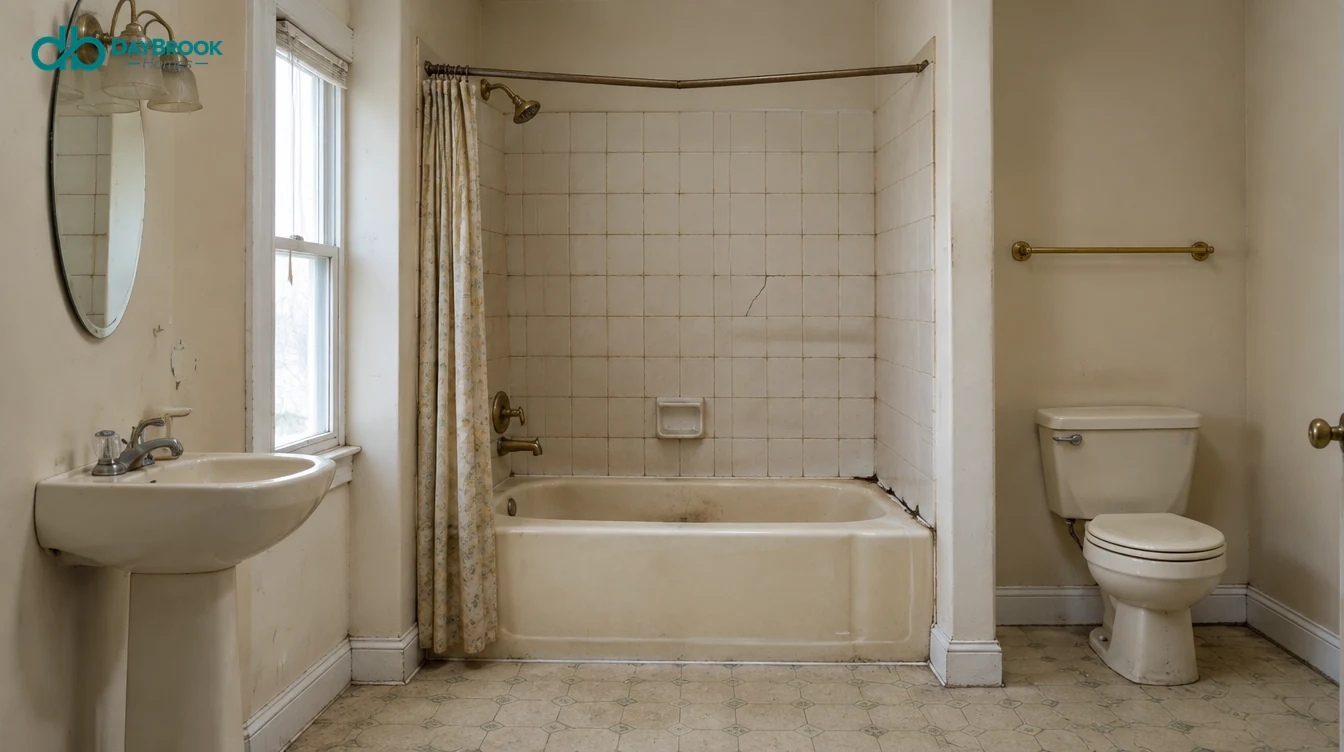
Option 1: replace the tub and the walls around it
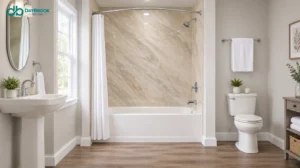
This is the workhorse. The old tub is cut out, the old surround comes off down to the studs, any soft or rotten framing gets dealt with while the wall is open, and a new acrylic tub goes back into the same 60 by 30 inch alcove. Then the walls go on as a grout-free panel system rather than as individual pieces set in mortar.
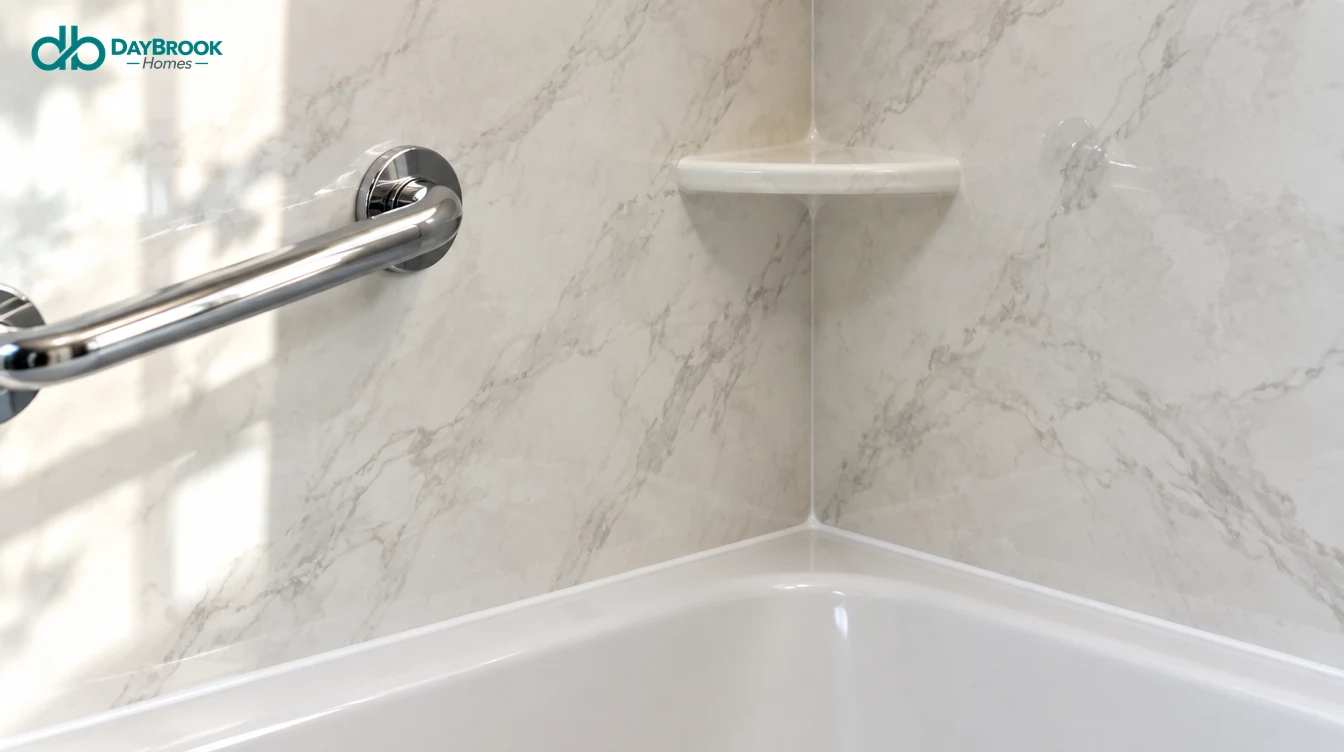
The reason we build it that way is maintenance. A tub surround is the wettest vertical surface in your house. Every joint in it is a place water can eventually get behind. A panel system has a handful of factory-made joints instead of several hundred linear feet of grout, so there is far less to seal, far less to scrub, and far less to fail in year seven.
You also keep the tub, which matters more than people expect when they go to sell.
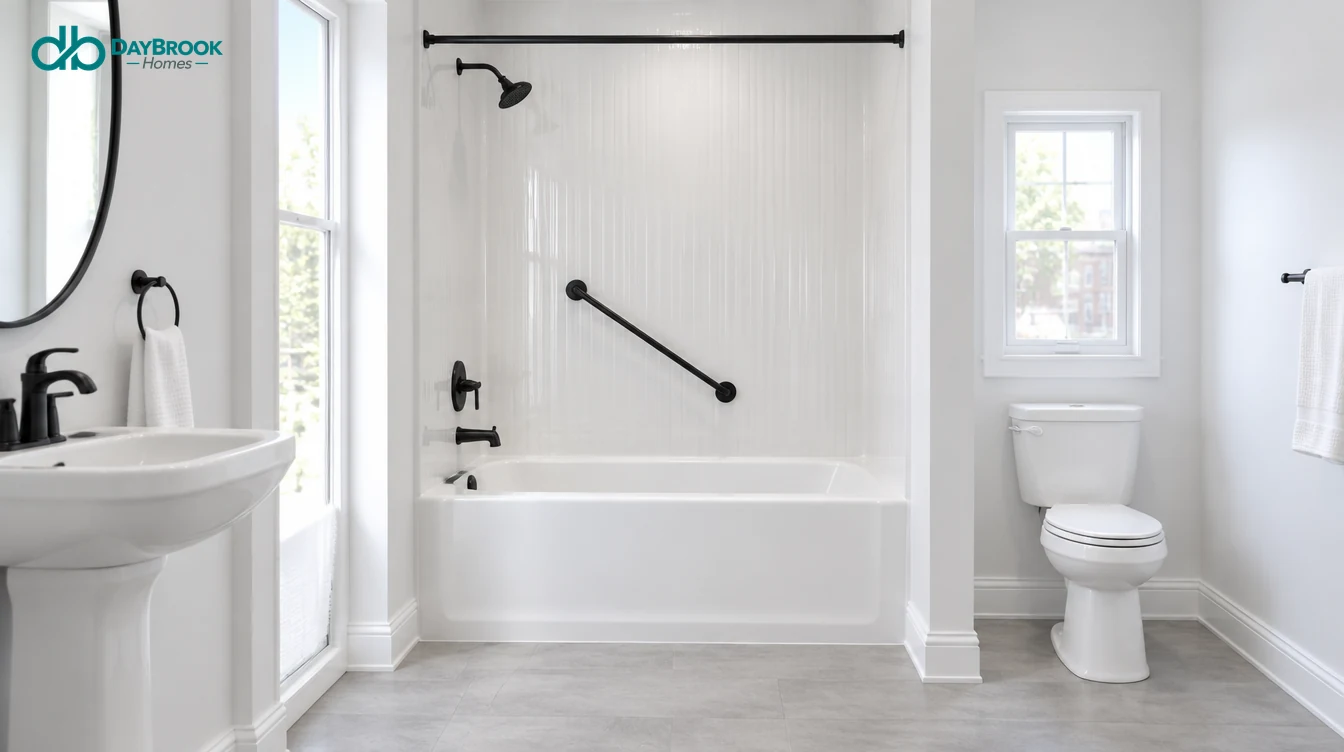
Option 2: convert the tub to a walk-in shower
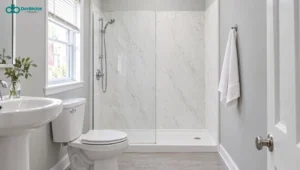
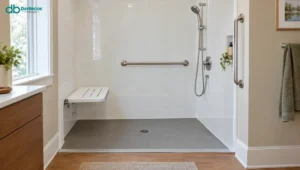
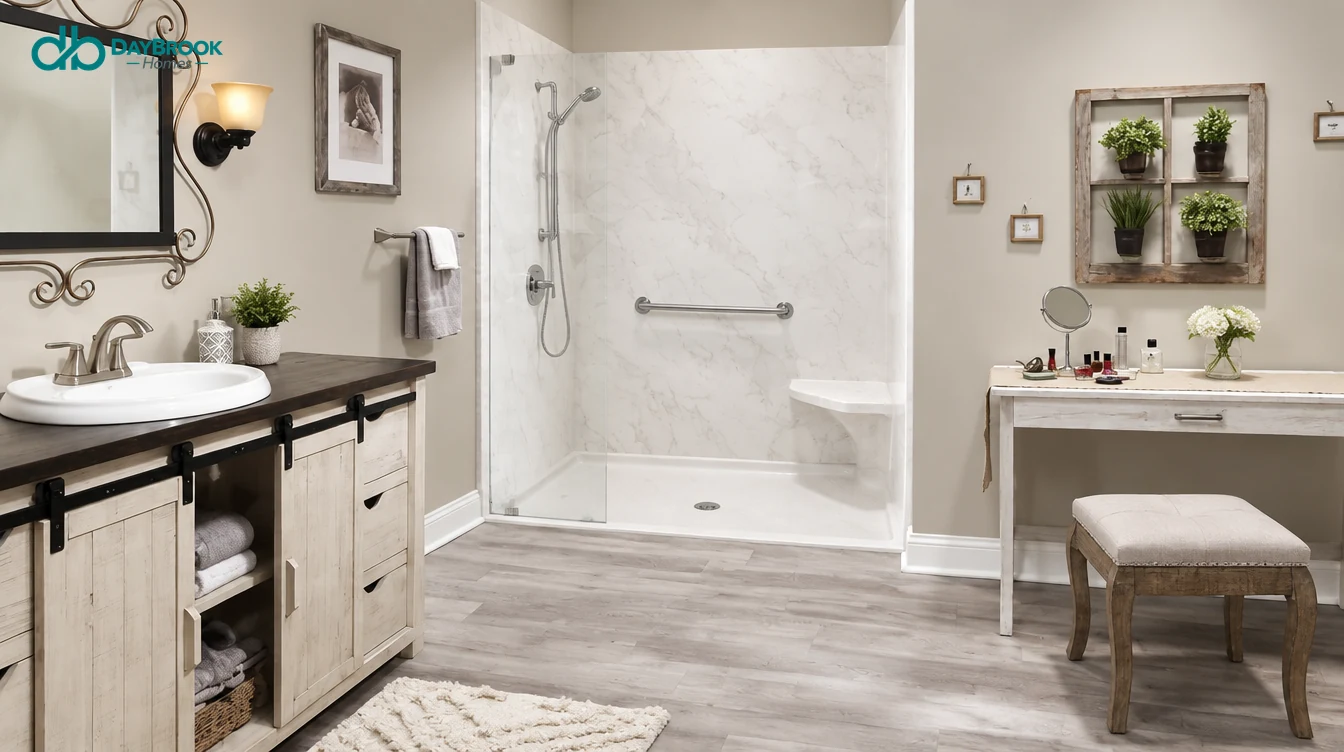
Same alcove, no tub. The 60 by 30 footprint becomes a shower base with a low threshold — usually around two inches instead of the fifteen you are climbing over now — and the walls go up in the same grout-free system.
This is the right call more often than people admit, and the reason is almost never aesthetic. It is that stepping over a tub wall is the single most dangerous movement most people make in their own home, on a wet surface, with nothing to hold. Dropping that step from fifteen inches to two removes the problem rather than managing it.
The trade-off is real and worth stating plainly: you have given up a bathtub. If it is your only one, read the section below before you commit. Our page on tub-to-shower conversion covers the layout options in more detail, and if you want the numbers, we broke them down in tub to shower conversion cost in Baltimore.
Option 3: refinishing and reglazing, and why we would skip it
Reglazing is a coating. Someone sands and etches your existing tub, sprays on a two-part finish, and leaves. It is cheap — usually a few hundred dollars — and on day one it genuinely looks good.
The problem is what it is: a film sitting on top of a fixture, not a fixture. It chips at the drain and around the overflow where the water moves most. It does not like abrasive cleaners, and most people forget that within a month. Typical warranties in this category run a couple of years, which tells you what the people selling it expect.
The worse issue is that it hides the thing you should be looking at. If your tub is stained, the tub is old. If it is old, the caulk joint behind it has probably been failing for a while, and the only way to know what the framing looks like is to open the wall. A coating seals the question shut and charges you for the privilege.
If you are selling the house in six months, reglaze it. Otherwise it is money spent to delay a decision.
Skip the liner over your old tub too
An acrylic liner is a shell molded to sit inside your existing tub, bonded down over it. Same logic, same objection, plus one more: you now have two tubs stacked with an adhesive layer between them, and if water ever gets into that gap it has nowhere to go and no way for you to see it.
Liners sell well because they are fast and the number is small. That does not make them a remodel.
And skip the tile surround
This is the one that gets argued with, so here is the reasoning rather than the assertion.
Tile looks excellent and it is genuinely beautiful in a dry room. In a tub surround, the tile is not the problem — the grout is. Grout is porous. It sits in the path of water for twenty minutes a day, every day, and it is the first thing to darken, the first thing to crack at the corners, and the thing you will be re-sealing on a weekend two years from now. On a horizontal surface like a tiled niche shelf or a bench, where water actually pools, it fails faster still.
It also adds days. Tile has to be set, then cured, then grouted, then cured again. That is why a tiled surround is a multi-day job and a panel system is not.
DayBrook builds in acrylic and PuroStone for exactly this reason. Both are grout-free wall systems over a factory base, which is why a straightforward replacement can be done in as little as one day.
The one-bathroom rule: don’t remove your only tub
If the house has one full bathroom and you take the tub out of it, you have narrowed your buyer pool to people who do not bathe children. In a Baltimore market full of families buying rowhomes and Cape Cods, that is a real cost at resale, and it shows up years later when you have forgotten you made the choice.
Two bathrooms? Convert the one you use daily and leave a tub in the other. That is the version that gets you both things.
One bathroom and a genuine mobility problem? Then safety wins — it is not close — but go in knowing the trade rather than discovering it later.
The measurements that actually decide this
Four numbers do most of the work:
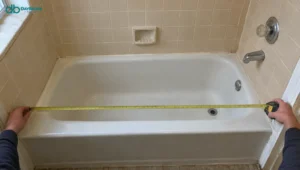
- 60 by 30 inches. The standard American alcove. If yours matches, replacement and conversion both drop straight in, and your quote should reflect a standard job.
- The tub wall height. Usually 14 to 16 inches. Measure it, then watch whoever is struggling actually step over it. That is the case for conversion, made better than any brochure.
- 5 by 8 feet. The most common small bathroom footprint in Baltimore. It is enough room for a walk-in shower in the alcove without moving a single other fixture.
- The joist direction. Matters if anyone suggests relocating the drain. If they do, ask why — moving a drain adds cost and days, and in a straight alcove swap it is almost never necessary.
What bathtub remodeling costs in Baltimore
DayBrook projects start at $9,999, and most land near $13,500. The spread comes from the things you would expect: how much framing is bad once the wall is open, whether you want a plain panel or a stone-look pattern, fixture finish, and whether anything moves.
You will see much lower numbers advertised online, and averages for Baltimore in the $11,000 range get repeated by every aggregator site. Read what those figures include. A coating job and a full replacement with new framing work and a warranty are not the same purchase, and comparing the prices is not comparing the jobs.
There is no money down, and financing runs as low as $107 a month for qualified buyers. Pre-approval does not require a hard credit check.
Example payment based on $9,999 financed for 180 months at 9.99% APR with $0 down, which equals $107.39 per month. That is the lowest rate offered; actual rates range from 9.99% to 17.99% APR and are set by creditworthiness, so your payment may be higher. Subject to credit approval; not all applicants qualify. Approval is valid for a 5-month purchase window. Financing provided by Momnt. Equal Housing Lender.
How long you actually lose the bathroom
A straight alcove job — tub out, walls out, new system in, same plumbing location — can be done in as little as one day. One to two days is the honest typical range, because framing surprises are common in houses built before 1980 and we would rather fix the studs than close the wall over them.
Anything that moves plumbing, changes the footprint or adds a tiled build is a longer job. If a company quotes you a one-day tile shower, that is not a schedule, it is a sales line.
Baltimore rowhomes, specifically
Rowhome bathrooms are narrow, often on the second floor, and frequently the only full bath in the house. Three things come up again and again:
The stairs are tight, which is an argument for a panel system that comes up in manageable pieces rather than a one-piece unit that will not make the turn. The framing is old, so budget mentally for the possibility of a bad stud or a soft subfloor at the tub edge. And because it is usually the only bathroom, the one-bathroom rule above applies with full force — which is why in rowhomes we more often end up recommending a new tub with a grab bar and a low-profile design than a full conversion.
How to read the quotes you get
Three questions separate a real estimate from a number on a business card.
What happens if the framing is bad? Every honest company has an answer, and it is usually a stated allowance or a clear process. “That won’t happen” is the wrong answer.
What exactly is the warranty on, and for how long? Ask whether it covers the wall system, the base, the labor, or some combination. Coatings and liners tend to have the shortest ones.
Is the person quoting me the person doing the work, or a salesperson? Not a trick question — just know which conversation you are in.
DayBrook is MHIC #116052, has been working in Maryland for over a decade, and holds a 4.8-star rating from 48 Google reviews. If you are comparing companies more broadly, our guide to shower remodel companies in Baltimore walks through how the different business models price the same job.
Frequently asked questions
Is it cheaper to replace a bathtub or convert it to a shower?
They are close enough that cost should not decide it. Both jobs remove the same tub, open the same wall and install the same style of grout-free system in the same 60 by 30 alcove. A conversion sometimes runs slightly less because a shower base costs less than a tub, but the difference is small relative to the project. Decide on who uses the room, not on a few hundred dollars.
Can you replace a bathtub without tearing out the wall tile?
Not properly. The tub flange sits behind the bottom course of the surround, so the wall has to come off to get the old tub out and the new one in. Anyone offering to swap the tub while leaving the surround intact is either cutting the flange or installing a liner, and both create the problem you were trying to fix.
How long does a bathtub remodel take?
A standard alcove replacement can be completed in as little as one day, with one to two days being typical. Jobs that relocate plumbing, change the layout or involve tile take longer — usually several days, because tile has to cure before it can be grouted.
Does removing the bathtub hurt my home’s value?
It can, if it is your only tub. Buyers with young children generally want at least one bathtub in the house. If you have a second full bathroom with a tub in it, converting the one you use every day has no meaningful downside and often makes the home easier to sell to older buyers.
Is bathtub reglazing worth it?
Only as a short-term cosmetic fix — for example if you are listing the house soon. The coating typically carries a short warranty, chips around the drain and overflow over time, and does not address whatever is happening behind the wall. If you plan to stay, the money is better spent once on a replacement.
Do I need a permit to replace a bathtub in Maryland?
Requirements vary by jurisdiction, and a like-for-like fixture replacement in the same location is treated differently from work that moves plumbing. Your contractor should tell you which category your job falls into and handle whatever the county requires — a licensed MHIC contractor will know. If nobody raises the subject, raise it yourself.
Find out what your bathroom actually needs
The honest first step is not a design consultation. It is someone looking at the caulk line, the tub flange and the wall behind it, and telling you which of the three jobs above you are actually dealing with.
That is what our free moisture and leak inspection is. We check the surround, the tub edge and the framing where we can see it, and you get a written price whether or not you hire us. If you already know you want the tub gone, start at shower replacement in Baltimore instead.
Call (443) 278-0301 and ask what your alcove measures. It is a short conversation and it usually settles the question.