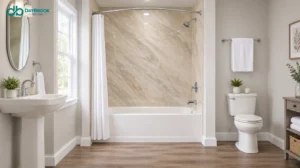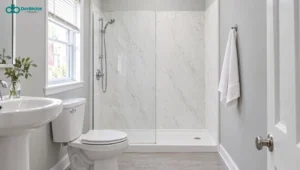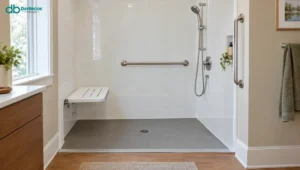

Choosing new floors for a bathroom can feel like a big puzzle. You want something that looks pretty but also handles water like a champ. Most people end up asking the same question. Should I go with classic tile or try that new luxury vinyl plank?
Both options are super popular in 2026. In fact, latest 2026 stats show that while porcelain tile stays the top choice for high-end homes, luxury vinyl plank now makes up over 40% of all bathroom remodels because it is so easy to use.
If you are stuck between tile vs luxury vinyl plank, this guide will help you pick the winner for your home.
What is Luxury Vinyl Plank?

Luxury Vinyl Plank, or LVP for short, is a special kind of flooring made to look like real wood. It comes in long strips that click together. The cool thing about LVP is that it is made of plastic and stone dust. This makes it a great waterproof bathroom flooring option.
Is luxury vinyl plank good for bathrooms? Yes, it really is. Most LVP today is built with a rigid core. This means it won’t warp or grow mold if it gets wet. It is like having the warmth of wood without the fear of rot.
The Classic Power of Tile

Tile has been the king of bathrooms for hundreds of years. Most people choose between ceramic tile vs vinyl plank bathroom styles. Ceramic and porcelain are made from clay fired in a very hot oven. This makes them hard as a rock.
When you compare porcelain tile vs LVP, tile usually wins on pure toughness. It does not scratch easily and can last for 50 years if you take care of it. However, it takes a lot more work to put in.
Is Luxury Vinyl Plank Good for Bathrooms?
A lot of my clients ask me this every single week. They worry that “vinyl” sounds cheap. But modern LVP is not like the thin sheets from your grandma’s house.
The main reason LVP is great for bathrooms is moisture resistance. Since it is 100% synthetic, it does not soak up water. If your kids splash during bath time, the floor stays fine.
Another big plus is slip resistance rating. Most vinyl has a bit of texture on top. This helps keep you from sliding around when your feet are wet.
Comparing Installation: DIY vs Professional
This is where the two floors really go their separate ways.
Putting in LVP
LVP is often a DIY bathroom flooring project. You don’t need messy glue or heavy saws. Most of the time, you just “click” the pieces together. It floats over your old floor. You just need to make sure you have a good underlayment for vinyl plank to keep it quiet and soft.
Putting in Tile
Tile is a whole different beast. You need a very strong bathroom subfloor. If the floor moves even a tiny bit, you will have tile cracking issues. You have to spread mortar, set the tiles, wait for them to dry, and then add grout. It usually takes a pro to get it right.
If you need a perfect bathroom upgrade without the stress, DayBrook Homes can handle the hard work for you.
Cost Per Square Foot Comparison
Money is always a big deal when fixing up a house.
- LVP Costs: You can usually find good LVP for $2 to $5 per square foot. Since you can often do it yourself, you save a lot on labor.
- Tile Costs: Tile can cost anywhere from $1 to $20 per square foot. But the labor is the expensive part. Hiring a pro to lay tile often costs double the price of the materials.
In the long term maintenance costs battle, LVP is cheaper to fix. If one plank breaks, you can sometimes just pop it out. If a tile breaks, you have to chip it out and regrout the whole area.
Pros and Cons of LVP vs Tile
Let’s look at the LVP vs tile pros and cons to see which fits your life.
Vinyl Plank in Bathroom Pros and Cons
Pros
- It feels warm on your feet in the morning.
- It is soft, so if you drop a glass, it might not break.
- It is very affordable.
Cons
- It can dent if you put a very heavy vanity on it.
- It does not add as much resale value as tile does.
Tile Bathroom Flooring Advantages
Pros
- It looks very expensive and fancy.
- It works great with radiant heating compatibility.
- It never fades in the sun.
Cons
- It is very cold on winter mornings.
- Grout maintenance is a chore. Grout can get dirty and stained easily.
Durability in High Moisture Areas
Bathrooms are the wettest rooms in the house. You need a floor that laughs at steam.
Porcelain tile is the winner for mold resistance because it is so dense. However, LVP is also very good at this. The secret is the wear layer. This is the clear coat on top of the vinyl. A thick wear layer keeps the floor looking new for years.
If you are worried about the floor getting scratched by a dog or a cat, tile is the better choice. It is much harder to scratch a stone than it is to scratch plastic.
Resale Value Impact
If you plan to sell your house soon, listen up. Home buyers still love tile. When they see a master bath with beautiful stone or porcelain, they think “quality.”
Tile bathroom flooring advantages include a higher “wow” factor. Even though high-quality LVP looks great, some buyers still see it as a cheaper option. If you want the absolute best flooring for bathrooms tile or vinyl, and you have the budget, tile is the winner for resale.
Comfort and Feel
Have you ever stepped out of a warm shower onto a freezing cold floor? It’s not fun.
Vinyl stays closer to the room temperature. It feels “cushy.” If you have bad knees or a bad back, standing on vinyl is much nicer than standing on hard tile.
Tile is basically like standing on a sidewalk. It is hard and cold. The only way to fix this is to install a heater under the tile. This is called radiant heat. It feels amazing, but it costs a lot more money to install.
Keeping it Clean
Everyone hates scrubbing floors. For LVP, all you need is a damp mop and some mild soap. There are no holes for dirt to hide in.
For tile, the grout lines are the problem. Grout is like a sponge. It soaks up dirty water and can turn black or brown over time. You will have to seal your grout every year or two to keep it looking fresh.
For the best results on your next home project, DayBrook Homes offers expert advice on choosing the right materials.
Latest 2026 Flooring Trends

This year, we are seeing a lot of “large format” tiles. These are huge tiles that have fewer grout lines. This makes cleaning much easier.
In the vinyl world, “rigid core” or SPC is the big trend. It is much stronger than older vinyl. It can even go over floors that aren’t perfectly flat.
No matter what you choose, make sure you pick a style you love. A bathroom renovation is a big deal. You will look at this floor every morning when you brush your teeth!
Frequently Asked Questions
Is luxury vinyl plank really 100% waterproof?
Yes, most high-quality LVP is made of materials that do not absorb water. However, water can still seep through the cracks to the subfloor if you have a big flood.
Can I put LVP over my old tile floor?
Usually, yes! This is a great way to save money on your bathroom renovation flooring ideas. You just have to make sure the tile is flat and not loose.
Does tile or vinyl last longer?
Tile wins here. Tile can last 50 years or more. LVP usually lasts between 10 and 20 years before it starts to show its age.
Which is better for a small bathroom?
LVP is great for small bathrooms because it is easy to cut into small shapes. Tile can be hard to cut around toilets and pipes without a special wet saw.
Is LVP slippery when wet?
Most modern LVP has a texture that helps with grip. However, any floor can be slippery if there is a big puddle. Always use a bath mat!