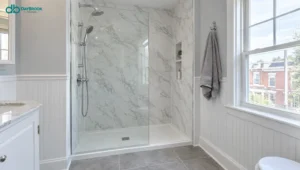
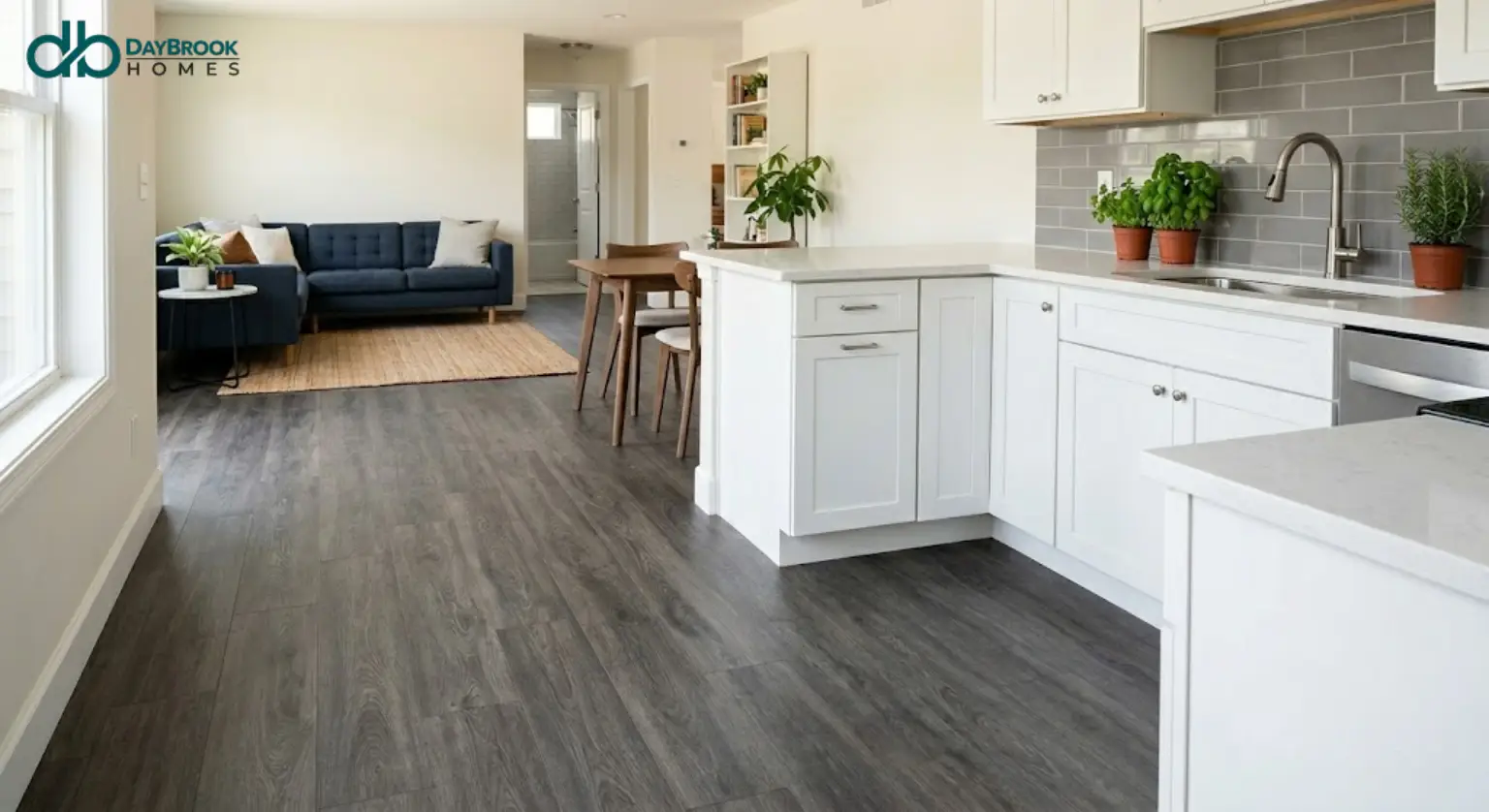
You hear “peel and stick flooring,” and your mind probably goes to bad places. Think flimsy, curling tiles. The kind you saw in that cheap rental, right? Today’s peel-and-stick floor tile and peel-and-stick vinyl plank flooring? They’re way better than that old junk. Honestly, this stuff is a real option for your bathroom, kitchen, or really, any room. And you won’t spend a fortune or hurt your back.
Forget the old headaches. Modern stick and peel flooring options now are tougher, look good, and you can put them in yourself. They can really change rooms. But is it actually good? And will it last? Let’s talk about what this stuff does, where it works best, and where it might still cause trouble. We’ll even tell you where to find some clearance of peel-and-stick flooring if you want a deal.
Thinking about peel-and-stick vinyl plank flooring for your bathroom, or any room in your home? Book a free consultation with DayBrook Homes and let our team help you choose a look that fits your style, space, and budget.
Why Even Bother with Peel and Stick?
So, why would anyone pick up peel-and-stick laminate flooring or vinyl over, say, regular glued-down stuff? It’s simple: easy, fast, and cheap. This isn’t just about saving money. It’s about you being able to do it. You can tackle a big home project yourself. You don’t need a whole crew. That’s a huge plus for many homeowners.
You don’t need a pro installer. You don’t need expensive tools you’ll use once and then forget. Often, you don’t need crazy floor prep, just a clean, flat floor. This saves you a lot on labor. And labor is usually what kills your budget for renovation. When you cut that out, the whole thing seems doable. No more calling contractors. No strangers in your house for days. You’re in charge.
It’s also great for renters. Or people who get bored easily and like to change things. It’s made to come up later, though some kinds are easier than others. So, if you want a new look every few years without a huge commitment, vinyl flooring peel and stick might be your new friend. Think of it like clothes for your floor. You can change it when styles change, without a super-long commitment.
What Kinds of peel-and-stick are there?
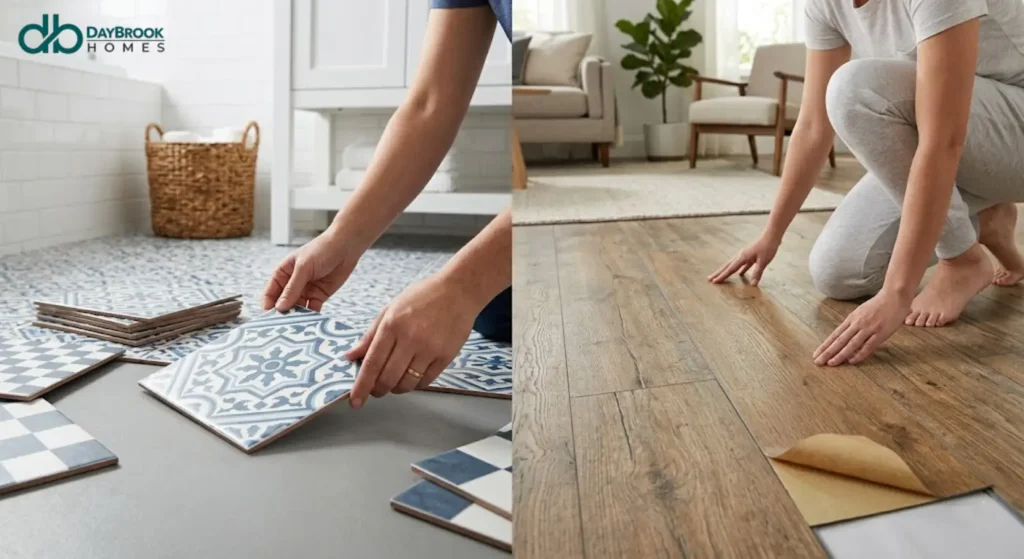
“Peel and stick” isn’t just one thing. It’s a method. You have choices, each good for different things.
- Peel-and-Stick Vinyl Tile Flooring: These are usually squared. They can look like ceramic or stone tiles. Or even cool patterns. They work well for a checkerboard kitchen or a clean bathroom. The design options are huge. You can make cheap tiles look fancy.
- Peel and Stick Plank Flooring: This is how you get the wood look. Long, thin pieces. They either snap or stick together. They give you that wood floor feels without the high cost or constant care. Think farmhouse style, modern gray wood, or warm, old-school oak. These planks can really look like real wood, even with textures you can feel.
Both kinds come in tons of styles, colors, and textures. You can find fake marble that looks real. Or wood that looks old. Or fun patterns. The choices are endless. This variety is a big reason why peel-and-stick flooring tiles are popular again.
Where Does Peel-and-Stick Flooring Work Best?
Let’s talk about the best places for this kind of floor. Not every room is perfect. But some are spot-on. Knowing these spots can save you trouble.
Bathrooms: Peel and Stick Bathroom Flooring
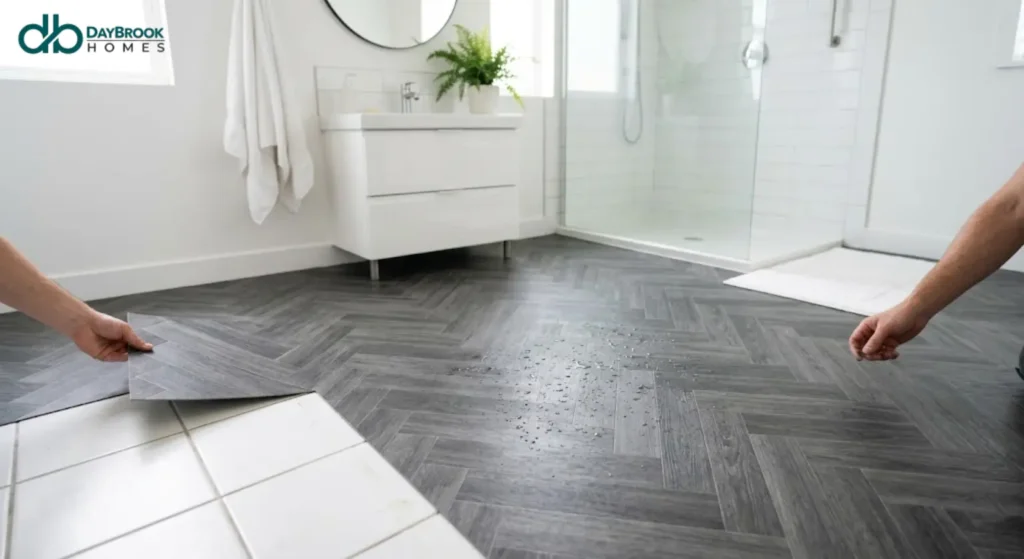
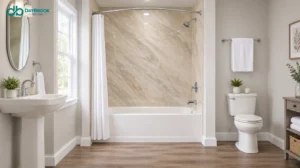
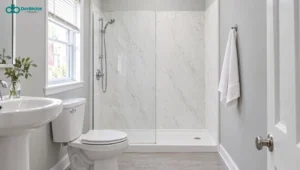
This is often where peel-and-stick vinyl tile flooring is great. The bathrooms get wet. Real wood flooring hates wet. Ceramic tiles are cold, hard, and a pain to put in. It needs special tools and lots of messy grouts. But peel-and-stick waterproof flooring? That changes everything.
Modern vinyl is made for splashes and steam. It handles all the wet mess that happen in bathrooms. Think showers, overflowing tubs (we’ve all been there), and toothpaste spots. You can find options that look like expensive tiles. You get a nice look without cold feet or scrubbing grouts forever. It’s easy to clean. It handles spills. And it can make an old bathroom look new on the weekend. The easy installation means you can update that small bathroom without a big fuss.
Kitchens: Easy Cleans for a Busy Room
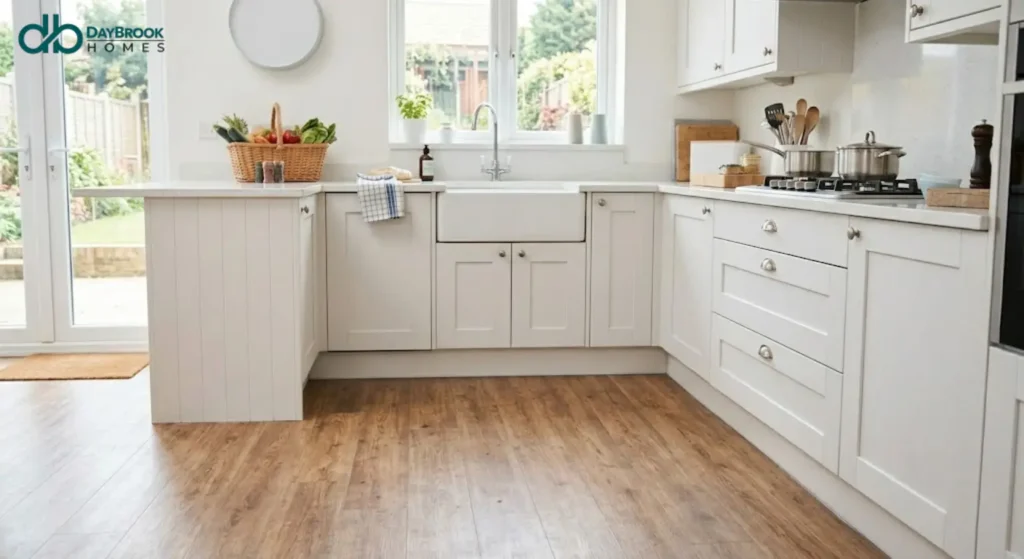
Another good spot is the kitchen. Like bathrooms, kitchens get a lot of foot traffic. They’re where everyone is. And honestly, they see a lot of spills. Dropped eggs, splashing water, muddy dog paws, kid meal disasters, a kitchen floor takes a beating. Peel-and-stick vinyl plank flooring can handle it.
The fresh batches, especially the hard-wearing ones, are tough. They don’t scratch easily, not even from pets or dropped forks. And wiping up any kitchen disaster is a snap. Coffee spill for breakfast? Just a quick swipe. Plus, you can pick styles from old-school tile to cozy wood, or even a wild retro design. No stress about water damage, fiddly grout, or weird cuts near your fridge. So, yeah, peel-and-stick for the bathroom (and kitchen) is a pretty smart, good-looking move.
Bedrooms, Playrooms, and More
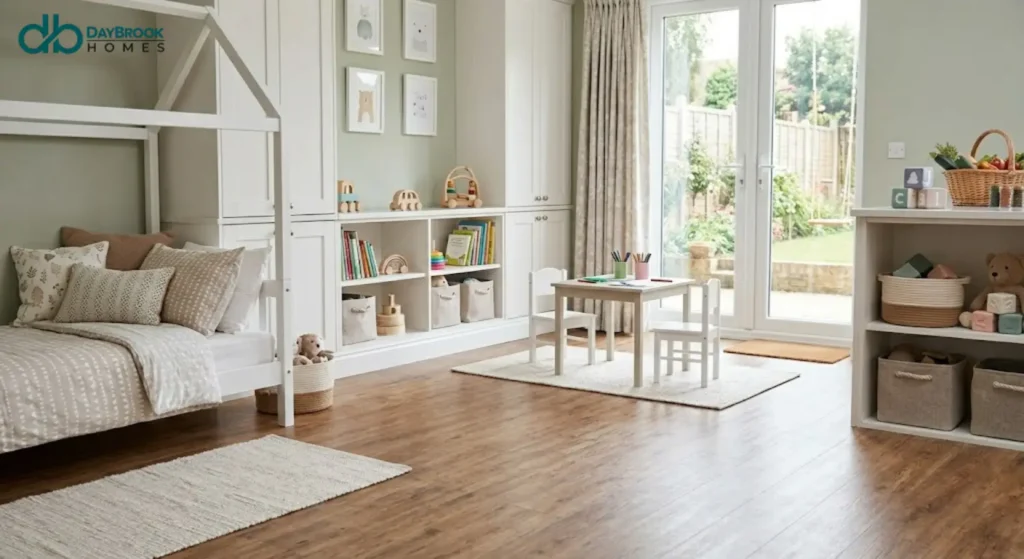
Peel-and-stick plank flooring is not just for kitchens and bathrooms. Bedrooms, playrooms, home offices, laundry rooms, and even that spare guest room can all feel fresher with this quick upgrade. It also feels noticeably warmer underfoot than cold ceramic tile, which makes those rooms feel a bit more inviting. Often softer than regular laminate. And it can really make a room pop. Imagine turning a plain bedroom into a cozy spot. Or a lively playroom. You can do it in a day or two. This stuff makes it easy to update any part of your home.
The Nitty-Gritty: Putting It Down and How Long It Lasts
Okay, it sounds good. You’ve seen some nice pictures. But what’s it really like to put in? And how long does peel-and-stick flooring last once it’s stuck? These are the big questions. And honest answers have some details.
Putting It In: It's All About the Prep (Seriously, Don't Skip This!)
Pricing slightly under market is not about giving money away; it is about setting up a strong starting line. You are basically saying, “This is my minimum, now let’s see how far buyers want to push it.” In plenty of cases, the final sale price ends higher than the number you would have felt comfortable listing at from the start.
- Clean, Clean, Clean: If you go ahead with it, the prep work really is non‑negotiable: the subfloor needs to be spotless, smooth, and level before you stick anything down, and it is worth spending a bit more on a well-reviewed option with a solid wear layer from a brand you actually recognize.
- Flat, Flat, Flat: This is even more important. Any bumps, dips, cracks, or uneven spots will show through your new floor. It looks bad. And it means the sticky part will fail over time, leading to edges lifting. You might need to fill holes with patching stuff. Or sand down high spots. Or even put a thin layer of smoothing compound over the whole floor if it’s really bad. Seriously, don’t skimp here. A perfectly smooth, flat floor is a must for the best peel-and-stick flooring results. If your subfloor is bumpy, even expensive tiles will look cheap and start lifting fast.
- Let It Acclimate: Like other flooring (wood, laminate), your peel-and-stick floor tile needs to sit in the room where you’ll put it for at least 24 to 48 hours before you start. This lets it get used to the room’s temperature and humidity. It stops it from warping or shrinking later. Stack the boxes flat, not on their sides, so air can get to them. This simple step prevents many problems.
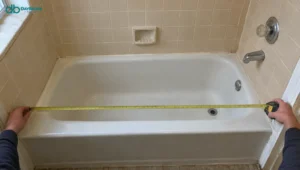
- Plan Your Layout: Plan it out! Don’t just start sticking from a corner. Find the exact center of your room. Snap some guidelines with a chalk line. Even lay out a few pieces without sticking them to see how the pattern looks. This stops you from ending up with a tiny, awkward piece of tile against a wall. That just looks bad. A well-planned layout makes the final look much better. Measure twice, stick once.
- Peel and Stick: After you prep and plan, the actual sticking part is pretty easy. Peel off the paper back. Line it up carefully with your guidelines or the piece before it. Press down hard. Use a J-roller (a special roller you can usually rent or buy cheap) to make sure it sticks well and even everywhere. Especially the edges. Overlap a little if you need to, then trim with a sharp knife. Work in small sections. Stay focused. Don’t pull up a piece once it’s down unless you absolutely have to. The sticky part is strong. It can lose its grip if you mess with it too much.
How to install peel-and-stick vinyl flooring on concrete isn’t much different. But you must make sure the concrete is totally dry, clean, and flat. Concrete can hold water. Any water coming up through the floor will make the sticky part fail. That means bubbles, lifting, and a big mess. A liquid moisture barrier or a strong primer might be smart if you’re not sure about the water in your concrete. Better safe than sorry when it comes to sticky floors; a wet concrete floor is the enemy.
How Long Does It Last?
Here’s the thing about how long it lasts. You have to be real. Modern options are much tougher. But they’re not usually a “forever” floor. Like real wood or fancy ceramic tile. You’re generally looking at about 5 to 10 years. Maybe 15 years for really good stuff in rooms that don’t get much use. Think of it as a good choice for a few years. Perfect if you plan to change things again later. It’s a solid choice for a “five-year plan” home update.
Some things make it last longer or shorter:
- Product Quality: This matters a lot. Not all peel-and-sticks are the same. A thicker top layer (that clear protective coating) usually means it’s tougher. It resists scratches better. Don’t just buy the cheapest thing. Look for good brands. Check the top layer thickness if they say it. Some of the best peel-and-stick flooring will have a top layer as tough as more expensive vinyl. This top layer is key to daily wear.
- Floor Prep: We said this already. Bad prep means it won’t last. The sticky part won’t work if the floor is dirty or uneven. This is the biggest reason these floors fail.
- Foot Traffic: Common sense here. A guest bedroom that hardly gets used will look good longer than a busy kitchen or a playroom with kids and pets. Pick a product made for heavy traffic if it’s going to a busy spot. Those usually have tougher top layers.
- Cleaning: Regular cleaning helps protect the top layer. It keeps the floor looking good. Don’t use harsh cleaners or rough scrubbers. Those can harm vinyl. A damp mop with a mild cleaner is usually all you need. Good, gentle care makes it last.
- Water and Temp Changes: Even waterproof peel-and-stick vinyl plank flooring can cause problems. If water sits on it for a long time (like a pipe burst). Or if the room gets really hot and cold (like an unheated sunroom). Steady temperature and humidity help the sticky part stay put. Big changes can cause gaps or lifting.
The Good, The Bad, and Where to Buy It
Let’s look at the good and bad parts. This helps you decide if it’s right for your home.
The Good Stuff
- Cheap: This is a big reason people buy it. You save money on the floor itself and, importantly, on having someone put it in. Great for cheap rental places. You can often find clearance of peel-and-stick flooring. That makes it even cheaper. You can’t beat that price.
- DIY Friendly: Lots of homeowners, even those not super handy, can put this in themselves. That feeling of doing it yourself, plus saving thousands on labor, is huge. You get to be the hero of your own project.
- Lots of Designs: There are tons of styles, colors, and patterns. You can get almost any look. Want a trendy tile? Yes. Classic wood? Easy. Modern geometrics? Yep. The designs are really impressive.
- Waterproof (often): Many kinds, especially new vinyl planks, handle water well. Great for wet spots like bathrooms, kitchens, and laundry rooms. When you see waterproof peel-and-stick flooring, they mean it can handle spills without buckling. That’s a big plus for wet rooms.
- Easy to Clean: The smooth, sealed surface of vinyl means a quick sweep, and a damp mop usually works. No special cleaners. No waxing. Just simple cleaning. It resists stains and dirt.
- Warmer Underfoot: Compared to cold ceramic tiles, it’s much nicer on bare feet. Especially on a cold morning. It also has a little give, making it softer to stand on for a long time.
- Easy to Fix: If one piece gets really messed up, you can often just replace that one piece. You don’t have to rip up the whole section. This saves time, money, and stress.
The Bad Stuff
- Shows Floor Flaws: This is a big one. Any bump, dip, crack, or even a screw head will show through the flexible vinyl. It makes your floor look bad. Cutting corners on prep really hurts you here.
- Not as Tough as Forever Floors: It’s much better now. But it usually won’t last as long as good hardwood or ceramic tile. It’s a medium-term thing, not something that lasts for decades. Don’t expect it to last 50 years.
- Can Dent/Scratch: Cheaper kinds, especially with thin top layers, can get dents from heavy furniture. Or scratches from active pets (dog claws). Put felt pads on the furniture! And get a tough kind if you have a busy home.
- Sticky Problems: If the floor isn’t super clean and prepped. Or if the room gets really hot and cold. Or if it didn’t stick well at first. Edges can lift. Corners can curl. Tiles can move. This is the death rattle for peel-and-stick flooring tiles. Once the sticky part fails, it’s a quick trip downhill.
- Resale Value: A well-put-in, good-looking peel-and-stick floor is better than an old, ugly one. But it usually doesn’t add as much value as premium regular flooring. Smart buyers often see it as a cheap option, even if it looks great. It might help sell the house faster, but it probably won’t raise the appraisal much.
- Color Fading (sometimes): In places with strong, direct sun, some cheaper vinyl can fade over many years. This isn’t common with better quality stuff. But it’s something to think about for very sunny rooms.
Where to Buy It
You don’t have to look hard for this stuff. Big home improvement stores have tons of options. Online stores have even more.
- Lowes Peel and Stick Flooring: They have a huge selection. Tiles and planks. Different brands and prices. It’s a good place to start. See the samples. Ask questions. Their stock is usually good.
- Home Depot: Like Lowe’s, they have a lot. From cheap stuff to better peel-and-stick vinyl plank flooring. With thicker top layers and real-looking textures.
- Online Stores: Amazon, Wayfair, and special flooring sites (like Chasing Paper) have even more. Here, you might find unique patterns. Or higher end designs you won’t see in big stores. But order samples first! Always checks reviews and returns when buying online. Colors can look different on your screen.
- Local Flooring Stores: Don’t forget smaller, local shops. They might have special, better-quality options. And they can give you more personal advice. Sometimes, those local places have the best tips.
Thinking about a bigger kitchen or bath remodel than peel and stick can handle? If you’re in the market for a full transformation with custom designs and professional installation, visit DayBrook Homes to see how they can bring your dream space to life.
Final Thoughts: Is It Worth It?
If you want a quick, affordable refresh, especially in a bathroom, kitchen, laundry room, or a low-traffic bedroom, peel-and-stick flooring can make the space look much more pulled together than you might expect. It is a nice fit for DIYers, renters, or anyone who wants a visible style upgrade without spending a fortune or committing to something permanent.
Still, this is a “for now” floor, not something you pass down to your grandkids. It will not beat hardwood or stone on lifespan, durability, or added value, so it is better to treat it as a temporary or mid-range solution.
If you decide to use it, the setup is everything: the floor underneath needs to be clean, smooth, and level before you stick anything down, and it is worth spending a little extra on a well-reviewed option with a solid wear layer from a brand you actually know. Go in with honest expectations about how long it will last and what it can handle, and in the right room and price range, it can feel like a very solid upgrade.
Frequently Asked Questions
Is peel and stick flooring good for bathrooms?
Yes, waterproof peel and stick vinyl plank flooring is ideal for bathrooms.
How long does peel and stick flooring last?
With proper care, peel and stick flooring can last 5–10 years.
Can I install peel and stick vinyl flooring on concrete?
Yes, ensure the concrete surface is clean, dry, and level before installation.
How do I remove peel and stick flooring?
Heat the tiles with a hair dryer and gently lift them using a scraper.
Is peel and stick laminate flooring waterproof?
Most vinyl plank options are waterproof, but laminate peel and stick may not be.