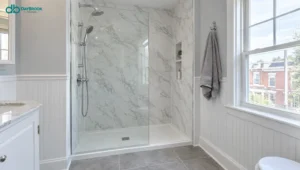
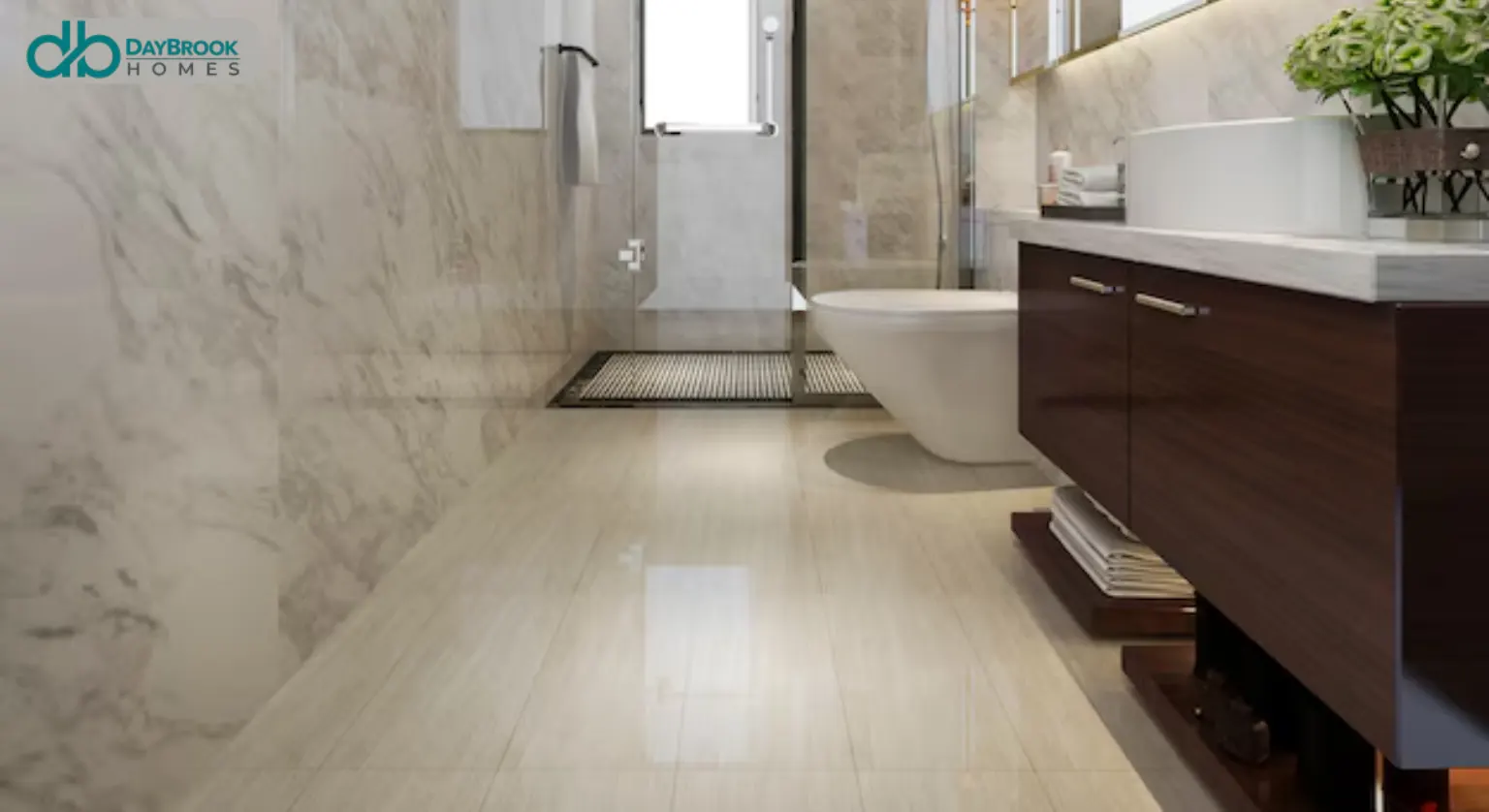
Picking a floor for your bathroom or basement is a lot more stressful than picking one for a bedroom. In a living room, the worst thing that happens is a spilled glass of wine or some muddy paw prints. But in a high-moisture zone, the stakes are different. We are talking about standing water, high humidity, and the constant threat of mold. If you choose the wrong material, you aren’t just looking at an ugly floor in two years; you’re looking at a structural nightmare.
Water is remarkably patient. It finds the tiniest seam, the smallest crack, or the most microscopic pore in a plank and settles in. Once it’s there, it stays. Standard hardwoods swell, laminates peel, and cheap vinyl curls at the edges.
So, how do you pick a floor that actually stands up to a flooded laundry room or a steamy shower? It starts with understanding what “waterproof” actually means in 2026.
Waterproof vs. Water-Resistant: Know the Difference
Before you spend a dime, you have to understand the marketing lingo. These two terms are often used as if they mean the same thing, but they really don’t.
Water-resistant flooring is okay for those ‘oops’ moments, but don’t expect it to be bulletproof. It is built to keep moisture out for a little while, not forever. If you catch a spill right away, you are fine. But if a puddle sits there while you’re at work, that floor is probably going to warp. It’s meant for quick cleanups, not for standing water. These floors usually have a topical coating that keeps moisture from soaking in immediately. If you wipe up a spill within thirty minutes, you’re fine. If that spill sits overnight, the floor is likely ruined.
Waterproof flooring is more like a rubber boot. The material itself is impervious to liquid. Whether water sits on the floor for five minutes or five days, the floor’s structure won’t change. For bathrooms, mudrooms, and basements, “waterproof” is the only standard you should accept.
The Top Contenders for High-Moisture Zones
The flooring industry has changed more in the last five years than it did in the previous fifty. We now have options that look exactly like reclaimed wood but are made entirely of stone and plastic. Here is a breakdown of what actually works.
1. Luxury Vinyl Plank (LVP) and Tile (LVT)
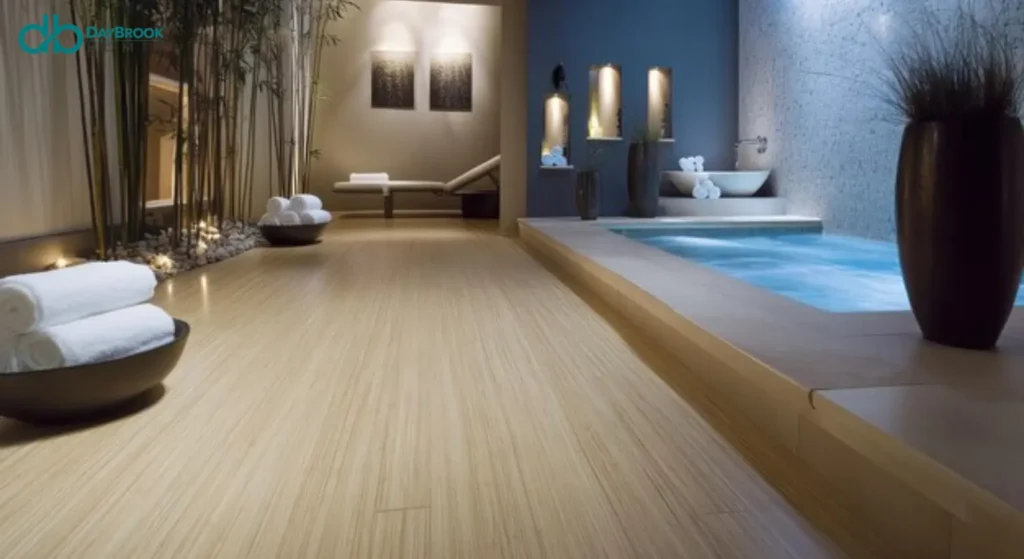
This is currently the undisputed heavyweight champion of the flooring world. Modern Luxury Vinyl is usually built with a Stone Plastic Composite (SPC) core. This means the middle of the plank is made of limestone dust and stabilizers, making it incredibly dense and 100 percent waterproof.
The beauty of LVP is its versatility. You can get the look of hand-scraped hickory or Italian marble without the maintenance. It’s also relatively soft underfoot compared to stone, which makes it a favorite for kitchens where you might be standing for hours.
2. Porcelain and Ceramic Tile
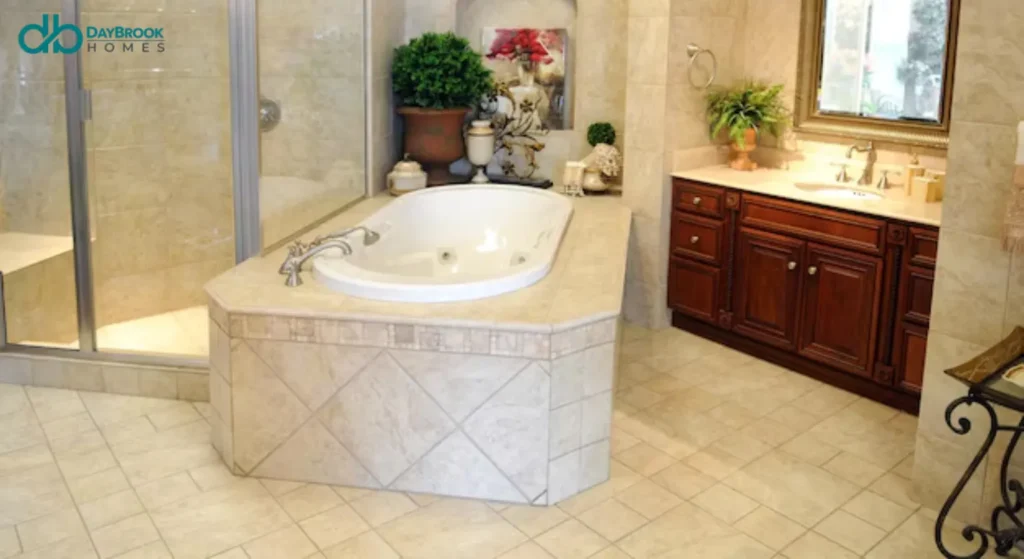
Tile is the classic choice for a reason. It is practically indestructible when it comes to water. Porcelain is fired at higher temperatures than ceramic, making it even denser and less porous. If you are tiling a walk-in shower, porcelain is the gold standard.
However, tile has a literal weak link: the grout. Grout is naturally porous and will soak up water, dirt, and soap scum if it isn’t sealed correctly. If you go this route, ensure you use a high-quality epoxy grout or commit to sealing your cementitious grout every single year.
3. Sheet Vinyl
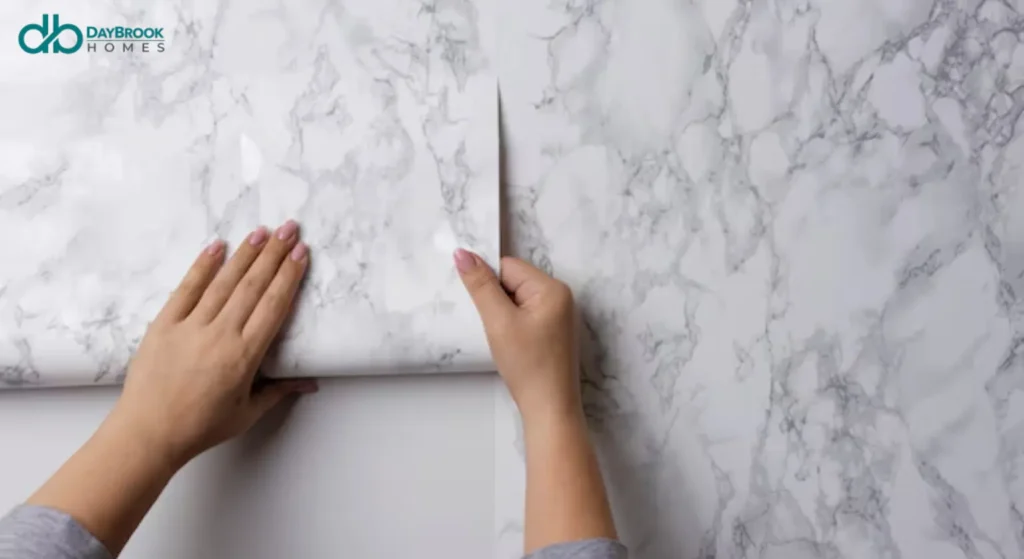
Don’t roll your eyes just yet. This isn’t the yellowing, bubbled plastic from your childhood. Modern sheet vinyl comes in stunning patterns and, most importantly, it has almost no seams. In a small bathroom, you can often install one single piece of vinyl. With no seams for water to penetrate, it is essentially a giant waterproof membrane for your floor. It is also the most budget-friendly option on this list.
4. Natural Stone
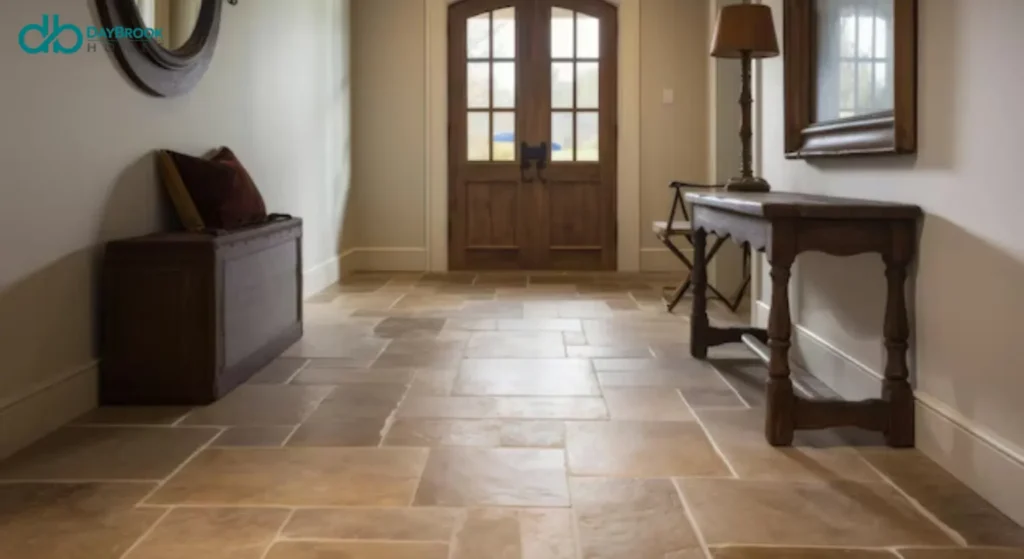
If you want a high-end, spa-like feel, natural stone like slate or travertine is beautiful. But be warned: stone is high maintenance. Most natural stones are porous and require regular sealing to prevent water stains. It’s also naturally cold, so you’ll likely want to install a radiant heating system underneath it.
Comparing Your Options at a Glance
Material | Waterproof Level | Durability | DIY Friendliness | Best For |
Luxury Vinyl (SPC) | Excellent | High | Very High | Basements, Kitchens |
Porcelain Tile | Excellent | Very High | Moderate | Bathrooms, Showers |
Sheet Vinyl | Excellent | Moderate | High | Laundry Rooms |
Engineered Wood | Moderate | Moderate | Moderate | Dry Kitchens |
Natural Stone | High (if sealed) | High | Low | Luxury Bathrooms |
Room-Specific Strategies: Where to Put What
Not every “wet” room is wet in the same way. A kitchen faces accidental spills, while a basement faces rising humidity from the ground.
The Bathroom Battle
In a full bathroom, humidity is your biggest enemy. Steam from the shower rises and eventually settles on everything. This is why I always suggest avoiding any wood-based products here, even engineered ones. Stick to tile or LVP. If you have kids who turn bath time into a splash zone, tile with a textured surface is best to prevent slips.
The Basement Dilemma
Basements are tricky because moisture often comes from underneath the floor. Concrete slabs “sweat” or allow vapor to pass through. If you trap that moisture under a non-breathable floor without a proper vapor barrier, you’ll get mold. LVP with an attached cork underlayment is a great choice here because it’s inorganic and won’t rot.
The Kitchen and Laundry Room

These areas are high-traffic zones. You need something that can handle a dropped cast-iron skillet just as well as a leaking dishwasher. LVP is the winner here because it’s more forgiving than tile. If you drop a glass on tile, it shatters. If you drop it on vinyl, it might actually survive.
Common Mistakes to Avoid
One of the biggest mistakes people make is assuming that because the floor is waterproof, the subfloor is too. If you have a massive leak, water can still get around the edges of your waterproof planks and soak into the plywood subfloor underneath. This is why using a high-quality silicone caulk around the perimeter of the room (under the baseboards) is a pro move. It creates a “bathtub” effect that keeps water on top of the floor where you can see it and mop it up.
Also, watch out for the “cheap” stuff. There is a lot of low-grade laminate claiming to be waterproof. Usually, these floors rely on a tight locking system to keep water out, but the core of the plank is still made of wood fibers. If that locking system fails or a plank is cut during installation, the core will soak up water like a sponge.
Bringing the Vision Together
Choosing the right material is only half the battle; the installation and design need to match your home’s specific needs. Whether you are looking for the rugged durability of stone-core vinyl or the timeless elegance of porcelain tile, getting the details right matters. From selecting the perfect underlayment to ensuring your subfloor is perfectly level, professional guidance can save you thousands in future repairs.
If you’re ready to transform your high-moisture areas into beautiful, worry-free spaces, the team at DayBrook Homes is here to help. They specialize in navigating these tricky choices and ensuring your renovation looks as good in ten years as it does on day one.
Final Thoughts
You don’t have to sacrifice style to get a floor that survives your life. Gone are the days when “waterproof” meant ugly rubber mats or cold, sterile tile. Today, you can have the warmth of oak in your master bathroom or the look of marble in your basement without the constant anxiety of water damage.
Take a look at your lifestyle. Do you have big dogs, messy kids, or a basement that gets a little damp every spring? Be honest about those factors. If you prioritize a truly waterproof core and take the time to prep your subfloor correctly, you’ll end up with a floor that doesn’t just look great, it actually lasts.
Frequently Asked Questions
What is the absolute best floor for a wet bathroom?
Porcelain tile is usually the top pick for full bathrooms. It is extremely dense and does not soak up water. When you pair it with a high-quality grout, it creates a surface that handles steam and puddles without any issues.
Can I put laminate in a high-moisture area?
It is usually a risky move. Most laminate floors have a core made of wood fibers. Even if the top layer is waterproof, water can seep into the seams and cause the planks to swell. For wet rooms, stick to 100 percent waterproof vinyl instead.
Is vinyl plank better than tile for basements?
Both are excellent choices, but they offer different benefits. Vinyl plank is warmer underfoot and much easier to install over concrete. Tile is more durable but can feel very cold in a basement unless you add a heating system underneath.
Does waterproof flooring prevent mold growth?
The flooring material itself, like vinyl or tile, will not grow mold. However, if water gets underneath the floor and sits on the subfloor, mold can still develop there. This is why proper installation and sealing the edges of the room is so important.
How do I clean moisture-resistant floors?
The best way is to use a damp mop and a pH-neutral cleaner. You should avoid using steam mops on vinyl floors, as the high heat can sometimes weaken the glue or the locking mechanism. Even on waterproof floors, it is best to wipe up big spills quickly.